

Last updated: 08/07/2026

RAC Roadside Breakdown Cover from £5.29^
^At least 10% of new customers pay this for single-vehicle Roadside (Basic) cover.
Why choose the RAC?
Complete peace of mind® for less
With the RAC, you know you’re getting breakdown cover you can rely on (They’ve been doing this since 1897!). You can count on the RAC to get to you quickly and fix you fast.
But the RAC also make driving cheaper and easier all year round. With up to £200 of driving savings on fuel, tyres, servicing and more in the myRAC app, it’s cover that pays for itself!

Key Features:

24|7 Breakdown Cover cover your vehicle 24 hours a day, 7 days a week from just £1.99 a month. With qualified and skilled technician available to serve you 24/7 you can be on the move stress-free. Don’t let a breakdown ruin your trip, stay covered with our tailored car breakdown cover options. Offering home, local and nationwide recovery, as well as car hire and overnight accommodation, it’s our goal to ensure that you get to your destination safe and sound.

Breakdown cover for any bump in the road

Key Features:

Key Features:

Key Features:

Key Features:

Key Features:


Special offer, use code for ND15BRK 15% discount
Links to third parties on this page are paid for by the third party. You can find out more about the individual products by visiting their site. Moneyfactscompare.co.uk will receive a small payment either if you click the links or if you use their services after you click through to their site. All information is subject to change without notice. Please check all terms before making any decisions.
DisclaimerThe list of vehicle breakdown providers on this page is a selection of services available and gives you an idea of the kind of options available. You can find out more about the individual products by visiting any of the providers listed. All information is subject to change without notice. Please check all terms before making any decisions. This information is intended solely to provide guidance and is not advice. Moneyfactscompare.co.uk will not be liable for any loss arising from your use or reliance on this information. If you are in any doubt, Moneyfactscompare.co.uk recommends you obtain independent advice.
Breakdown cover works in a similar way to other types of insurance as you pay a set sum per month or year to receive your chosen amount of cover.
If you have breakdown cover, you simply need to contact your provider if you break down and they will send a mechanic to you. If possible, the mechanic will repair your vehicle at the scene, but if the problem is more serious, they can tow you to a garage.
When you take out a policy, you can choose the type and level of cover you want to help you get the best breakdown insurance for your situation.
Bear in mind that breakdown policies come with several terms and conditions so, for example, they may set a maximum age limit for the cars they can cover and set a maximum number of callouts you can make on your policy per year.
The cost of breakdown cover can vary considerably, depending on the provider you choose and whether there are any discount sales, among other factors.
Below are some of the elements that can affect the cost of breakdown insurance:
There are several types of breakdown cover available.
Vehicle breakdown cover providers cover for a specific vehicle. This means the cover is tied to a particular vehicle and you (or a family member) can only claim on your policy if this vehicle breaks down.
Personal breakdown cover provides cover for a particular individual. It means you can claim on your policy, regardless of the vehicle you are in.
Personal breakdown cover may be better if you regularly use multiple cars, but vehicle breakdown may be a cheaper option if you primarily drive one car.
There are also multiple levels of breakdown insurance you can compare and choose from. Although providers may call them slightly different names, the main levels of breakdown cover are:
This is the most basic form of breakdown cover. It typically covers the cost of sending a mechanic to your broken-down vehicle to try to repair it. Failing that, the mechanic will tow you to a nearby garage of their choice so you can receive further repairs.
Because many breakdown policies only cover your vehicle if it’s a certain distance away from home, home start policies provide cover if your vehicle doesn’t start or if it breaks down close to home.
While basic breakdown policies only allow your vehicle to be towed to a local garage, national recovery policies allow you to choose where you and your vehicle are taken. This could be handy if you break down a long way from home or your destination, as it means you can be towed there instead of being restricted to the area you broke down in.
This type of policy can help to minimise the disruption a breakdown can cause. As well as getting your car towed to a garage, onward travel policies can cover the cost of accommodation or alternative transport while your own vehicle is being repaired.
If you’re planning to drive on the continent, European breakdown cover means you can call for assistance if your vehicle breaks down while abroad.
As a minimum, breakdown cover typically includes the costs of sending a mechanic to your vehicle, any emergency repairs they may make at the roadside and, if necessary, being towed to a garage.
Some of the problems and faults that breakdown cover can help with include:
Bear in mind that, unless you choose a specific start date, your cover may not start straightaway and may only start 24 hours after taking out the policy.
It’s important to check the terms of a breakdown insurance policy as they typically come with several conditions and exclusions. For example, most breakdown policies are unlikely to cover:
If the breakdown provider sets a maximum limit for the number of callouts you can make on a policy, you won’t be covered for any further claims above this limit.
Standard breakdown cover doesn’t typically cover vehicles used for commercial purposes. There are business breakdown policies you can take out instead.
Unlike car insurance, breakdown cover isn’t a legal requirement. However, many people choose to have some form of breakdown cover as it offers peace of mind that they can get help in the event of a breakdown and won’t be stranded on the side of the road.
The excess is the amount you need to pay if you claim on your insurance policy. Paying a larger excess could reduce the cost of your policy. However, while most insurance policies set an excess, many breakdown policies are available without any excess, which means you won’t need to pay anything when you make a claim.
You may be able to purchase breakdown cover alongside your car insurance, but this may not be the cheapest option and it may not provide you with the cover you need. It’s worth comparing the cost and cover of other breakdown policies to see if it makes more sense to purchase your car insurance and breakdown cover separately.
It’s up to you and your driving habits as to whether it’s worth taking out breakdown cover. It may be particularly useful if you have an older car that’s more likely to break down or if you regularly travel long distances. However, if your car is relatively new, you don’t drive much or you tend to only drive around your local area, you may not want to spend money on breakdown cover (or you may choose to only have the cheapest and most basic policy).


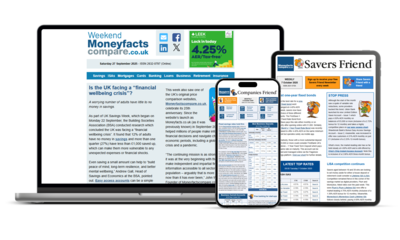
All of our newsletters are available free by email to all Moneyfactscompare.co.uk users.
Send me Weekend Moneyfactscompare, Savers Friend, and Companies Friend.

Moneyfactscompare.co.uk will never contact you by phone to sell you any financial product. Any calls like this are not from Moneyfacts. Emails sent by Moneyfactscompare.co.uk will always be from news@moneyfacts-news.co.uk. Be ScamSmart.
Moneyfactscompare.co.uk will never contact you by phone to sell you any financial product. Any calls like this are not from Moneyfacts. Emails sent by Moneyfactscompare.co.uk will always be from news@moneyfacts-news.co.uk. Be ScamSmart.
Moneyfactscompare.co.uk will never contact you by phone to sell you any financial product. Any calls like this are not from Moneyfacts. Emails sent by Moneyfactscompare.co.uk will always be from news@moneyfacts-news.co.uk. Be ScamSmart.
Moneyfactscompare.co.uk will never contact you by phone to sell you any financial product. Any calls like this are not from Moneyfacts. Emails sent by Moneyfactscompare.co.uk will always be from news@moneyfacts-news.co.uk. Be ScamSmart.
Moneyfactscompare.co.uk will never contact you by phone to sell you any financial product. Any calls like this are not from Moneyfacts. Emails sent by Moneyfactscompare.co.uk will always be from news@moneyfacts-news.co.uk. Be ScamSmart.
Moneyfactscompare.co.uk will never contact you by phone to sell you any financial product. Any calls like this are not from Moneyfacts. Emails sent by Moneyfactscompare.co.uk will always be from news@moneyfacts-news.co.uk. Be ScamSmart.
