


Compare Bad Credit Loans


<p>We found <strong>4 PRODUCTS </strong>in total, of which <strong>2 have links to providers</strong></p>

Selecting ‘Provider Links First’ brings all products that you can apply for directly via Moneyfacts to the top of the chart in rate order. Products that do not have an ‘Go To Provider's Site’ button will appear below, again in rate order. Selecting an option from the drop-down will change the chart to list all products in order depending on the option you have selected, with the best rate being at the top. Products that have ‘Go To Provider's Site’ links will still be in the list but in rate position. Selecting ‘Favourites First’ will bring your chosen products to the top of the chart in rate order with those with Provider Links shown first.
118 118 Money Personal Loan

Evlo Personal Loan
OakbrookAdvance Personal Loan
Rate Drop Personal Loan
Moneyfacts.co.uk Limited is an independent credit broker not a lender. We may receive a payment from credit providers or credit brokers where customers link to them from Moneyfactscompare.co.uk. None of these arrangements affects our independence.
DisclaimerAll loans are subject to the applicant’s status. The APR quoted is representative of the interest rate offered to most successful applicants. Depending on your personal circumstances the APR you are offered may be higher, or you may not be offered credit. Fees and rates subject to change without notice. Please check all rates and terms before borrowing.
Provider LinksLinks like ’Go To Providers Site’ or ‘Speak to a Broker / our Preferred Broker’ or clicking on the ‘Provider Logo’ or ‘Product Name’ connect you to providers, online savings platforms or brokers we work with, for which we may receive a commission if you click or apply.
Favourites
Clicking the heart icon marks a product as a favourite for 14 days (if cookies are enabled), allowing you to filter and sort favourites at the top of the list.
Before applying for a loan with bad credit, it’s important to consider all your options and make sure it’s the right decision for you.
Our chart above shows some of the lenders that can offer unsecured bad credit loans, allowing you to compare the cost, eligibility criteria and other features to find the most suitable option for your situation. However, bear in mind that you may not necessarily receive the representative APR advertised; the rate you receive depends on your individual circumstances.
APR stands for annual percentage rate and tells you how much a loan will cost over one year, taking into account the interest rate and any fees. The representative APR (or lower) must be offered to at least 51% of successful applicants; the remaining 49% may be charged a higher rate. By contrast, a personal APR is the amount the lender will charge you, based on your individual situation. Learn more in our guide to APR.
There are also secured loans for bad credit available but, because these require borrowers to use their property or other valuable item as collateral, they come with added risk.
You can see if you qualify for a loan by inputting some key details about you, your employment status and your income into an eligibility checker with our preferred broker Loans Warehouse, which won’t affect your credit history.
Bear in mind that a loan may not always be the best option for someone with a poor credit score. Consider alternatives and seek free debt advice if you’re struggling financially and need further support.
A bad credit loan is a type of loan that people with a bad credit score or a limited credit history may be eligible for.
Lenders view borrowers with poorer credit scores as a higher risk than those with good credit scores, which means those with bad credit may struggle to qualify for a standard personal loan. This is where specialist loans for bad credit can help.
You can use a bad credit loan for a range of purposes, including an emergency expense, a new car, home improvements, debt consolidation and more.
However, to minimise the risk to the lender, bad credit loans typically charge higher interest rates and come with stricter terms. For example, those with less-than-perfect credit scores may not be able to borrow as much as someone with a better credit history.
There are many reasons why you may have a poor or bad credit history, such as:
See our guide on what affects your credit score.
There are several types of loans for bad credit that UK borrowers can choose from, including:
When looking for a bad credit loan, you may see that some providers advertise guaranteed approval or guaranteed acceptance. However, under Financial Conduct Authority (FCA) rules, all authorised lenders must conduct appropriate creditworthiness and affordability checks before offering a personal loan, which means no lender can offer “guaranteed approval”.
If a provider claims you are guaranteed to be accepted for a loan, it is likely to be unregulated and could be a scam. Always check that a lender is authorised by the FCA by using the FCA register before applying for a loan.
Before applying for any loans with bad credit, it’s important to be sure that it’s the right decision for you. Some of the questions to ask yourself include:
If you’ve recently applied for a loan (whether your application was successful or rejected), a hard credit check will be recorded on your credit file. Multiple hard checks in a short period could harm your score and be viewed negatively by lenders, so it’s worth waiting at least a few months before submitting a new application for credit.
If, after weighing up the pros and cons and considering any alternative options, you’re certain that a loan with bad credit is right for you, these are the steps you’ll typically need to follow when you apply.
Many lenders require borrowers to apply for a bad credit loan online, and this is often one of the easiest and quickest ways to get a loan. It may also be possible to apply for a loan over the phone or by visiting a branch, for example, but these options won’t be offered by all lenders.

You usually need to be a UK resident aged at least 18 or 21 years old to apply for a loan. Some lenders may also set further requirements, such as a minimum income, so it’s always worth checking you meet the basic criteria before proceeding with a loan application.
Taking out a loan when you have a bad credit history may not always be the best option. It’s worth considering some alternatives, such as:
You should only apply for a loan or another form of credit if you’re sure you can afford to make the repayments. If you have a bad credit score and are struggling to make existing payments, for example, it may be a good idea to seek free, professional debt advice.
It’s possible to get a loan with bad credit, but you are likely to face higher interest rates and may not be able to borrow as much as someone with a better credit history. Some lenders won’t offer loans to applicants with poor or bad credit histories, but other lenders specialise in catering to these borrowers, so it’s important to research providers and check your eligibility for a loan before applying.
There’s no single number that is classed as a bad credit score as individual credit reference agencies (CRAs), such as Experian, Equifax and TransUnion, have different scoring systems. Furthermore, CRAs typically don’t have a “bad” credit score category. For example, Experian classifies a “low” score between 0 and 640, while a “poor” score on Equifax is anywhere between 0 and 438.
Lenders typically view borrowers with a poor or bad credit score as a higher risk, which means they are likely to charge higher interest rates on any loans they offer. This can make it difficult for borrowers with bad credit to access a loan with a low APR, but ultimately this will depend on the individual and the lender. Improving your credit score and overall financial situation could help to increase your chances of getting a loan with a lower interest rate.
It may be possible to get a loan if you’re unemployed, but it is likely to be much more difficult, and you will still need to show the lender that you can afford to make the repayments. For example, you will typically need an alternative source of income, such as benefits or a pension.
Moreover, if you are approved for a loan, you may find you’re offered a smaller amount at a higher interest rate than if you were in stable, full-time employment.
Some direct lenders may say they can offer quick or urgent loans for bad credit, which means borrowers may be able to access money on the same day they apply, potentially within a few hours. However, these lenders will still need to conduct thorough checks to ensure the borrower can afford to take out a loan. Bear in mind these loans may charge relatively high interest rates and may not always be suitable for your situation.
Be wary of payday loans or any lenders that promise to offer you a loan quickly as these may be an expensive and risky option and, in worst cases, they may not be regulated by the Financial Conduct Authority (FCA).
Secured loans and guarantor loans are likely to be easier for someone with bad credit to get as the property acting as security or the individual guaranteeing the loan reduce the risk to the lender. However, it’s important to consider all the risks involved before applying for a loan.
If you apply for a loan and are rejected, don’t immediately try applying again. While it can be tempting to see if you can access a loan from a different provider, too many applications for credit in a short space of time could negatively affect your credit score.
Instead, it’s important to try to understand why your application was declined. The lender may not tell you exactly why it didn’t offer you a loan, but it may still be worth seeing if they’ll provide you with any details. Checking your credit report could also help you identify the reason(s) why your loan application was declined and highlight any areas for improvement.
It’s a good idea to wait several months before trying to apply for a loan again. Use this time to try to improve your credit score and overall financial situation and, when you’re ready to apply, check your eligibility for a loan first as this can reduce the chances of applying for an unsuitable loan and getting declined.
If you need more help and support, particularly if you’re struggling financially, you can contact a debt charity for free, confidential advice.


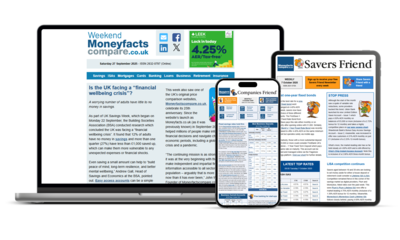
All of our newsletters are available free by email to all Moneyfactscompare.co.uk users.
Send me Weekend Moneyfactscompare, Savers Friend, and Companies Friend.


Moneyfactscompare.co.uk will never contact you by phone to sell you any financial product. Any calls like this are not from Moneyfacts. Emails sent by Moneyfactscompare.co.uk will always be from news@moneyfacts-news.co.uk. Be ScamSmart.
Moneyfactscompare.co.uk will never contact you by phone to sell you any financial product. Any calls like this are not from Moneyfacts. Emails sent by Moneyfactscompare.co.uk will always be from news@moneyfacts-news.co.uk. Be ScamSmart.
Moneyfactscompare.co.uk will never contact you by phone to sell you any financial product. Any calls like this are not from Moneyfacts. Emails sent by Moneyfactscompare.co.uk will always be from news@moneyfacts-news.co.uk. Be ScamSmart.
Moneyfactscompare.co.uk will never contact you by phone to sell you any financial product. Any calls like this are not from Moneyfacts. Emails sent by Moneyfactscompare.co.uk will always be from news@moneyfacts-news.co.uk. Be ScamSmart.
Moneyfactscompare.co.uk will never contact you by phone to sell you any financial product. Any calls like this are not from Moneyfacts. Emails sent by Moneyfactscompare.co.uk will always be from news@moneyfacts-news.co.uk. Be ScamSmart.
Moneyfactscompare.co.uk will never contact you by phone to sell you any financial product. Any calls like this are not from Moneyfacts. Emails sent by Moneyfactscompare.co.uk will always be from news@moneyfacts-news.co.uk. Be ScamSmart.


