



Despite the rising cost of borrowing on a credit card, there are ways for consumers to avoid expensive interest charges.
The average credit card purchase APR, which determines how much it costs to borrow, has risen to 35.8% APR, the highest rate since Moneyfacts’ records began in June 2006.
This means consumers may find themselves facing expensive interest costs if they don’t manage their debt effectively, which could outweigh any benefits of using a credit card in the first place.
However, they are still a useful tool and, with credit card spending increasing to £21.4 billion in November 2025, a 2.6% rise on the previous year, according to UK Finance, it seems many consumers continue to use this form of borrowing for their purchases.
“The past 20 years has seen a significant shift in the use of credit cards, they are much more convenient and arguably safer, but one area that has got worse is the cost to borrow,” Rachel Springall, Finance Expert at Moneyfactscompare.co.uk, explained.
If you’re looking for a new card, see our credit card charts to discover the latest rates and compare the features of each option. Bear in mind that eligibility for each card and the interest rate you receive will depend on credit and affordability checks conducted by the provider.
Alternatively, you can check your eligibility for a credit card, without affecting your credit score, with our partner, Monevo.
Encouragingly, the latest UK Finance statistics revealed that just 47.8% of credit card balances incurred interest in November 2025 (down from 48.7% in November 2024), which indicates many consumers are taking advantage of interest-free deals. But this means a significant proportion of credit card users are still facing interest charges which could prove costly, particularly if they only make the minimum payments.
Springall points out that “making fixed credit card payments is the fastest way to clear debts”, and the more you can afford to pay, the better.
“Those using a credit card charging 35.8% APR with a debt of £500 would take an entire year to pay it off based on a fixed repayment of £50, and it would cost £85 in interest. Increasing this payment to £100 per month would clear the debt in six months, and halve the interest charged (£42),” she explained.
Using a credit card doesn’t have to be expensive, and consumers may be able to avoid paying any interest altogether.
For example, there is a range of credit cards that offer 0% introductory periods on purchases. This means you can spend with your credit card without worrying about interest charges for the specified period, but it’s crucial to clear your balance before the 0% offer ends.
While you need to make the minimum payments (at least), it’s a good idea to pay more than this sum each month to ensure you’ve paid off your card balance in full by the end of the 0% period, otherwise expensive interest charges may apply.
TSB currently offers the longest 0% purchase period of 26 months after extending the offer on its Platinum Purchase Card Mastercard.
Last updated: 17/02/2026
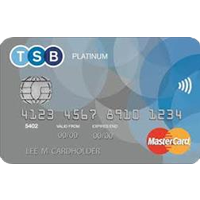
Account Name: Platinum Purchase Card Mastercard
0% introductory purchase offer: up to 26 months
0% introductory balance transfer offer: up to 18 months
Balance transfer fee: 3.49%
Representative example: Based on a credit limit of £1,200.00 charged at 24.95% variable per annum for purchases. Representative 24.9% APR variable.
For those who have already built up debt on one or more credit cards, a 0% balance transfer card could help to minimise costs. You can shift debt from a credit card charging interest to one of these 0% balance transfer cards (often for a fee), giving you time to clear your balance without incurring interest.
“Luckily, there are some lengthy interest-free balance transfer cards to choose from, with TSB leading the market with a 38-month term, which charges a transfer fee of 3.49%,” Springall noted.
However, these cards will only help if borrowers manage them effectively and have a clear strategy to clear their balance in full before the 0% introductory offer ends.
“Reviewing card statements regularly is vital to stay on top of debts, but it’s also wise to make a calendar note of when any balances will incur interest. Shifting debts around is handy to grab interest-free offers, but the debt will hang overhead if only the minimum repayments are made each month,” Springall warned.
Last updated: 17/02/2026
Account Name: Platinum Balance Transfer Card Mastercard
0% introductory balance transfer offer: up to 38 months
Balance transfer fee: 3.49%
0% introductory purchase offer: up to 3 months
Representative example: Based on a credit limit of £1,200.00 charged at 24.95% variable per annum for purchases. Representative 24.9% APR variable.
While credit cards have a range of benefits, it’s important that consumers don’t spend more than they can afford to repay.
Especially as you can now make purchases at the tap of a card or phone, or with a few clicks on a website, it’s easy to lose track of how much money you’ve spent.
“Consumer behaviour continues to change, many now use their digital wallet to make payments, such as with a smart phone or watch. It is then essential for consumers to keep on top of their transactions, such as setting up notifications each time they spend from their bank, or checking their online statements each week,” Springall commented.
Keeping an eye on your spending may become particularly important as, from next month, providers will be allowed to change the contactless limit of £100. While Springall points out that there “have been understandable concerns surrounding fraud”, this change “should be putting the power back into people’s hands to set their own limit or turn it off entirely”.
Look out for any notifications about this change from your provider and, if you’re concerned about overspending or the possibility of fraud, you should be able to set your own contactless limit that you’re comfortable with.

All of our newsletters are available free by email to all Moneyfactscompare.co.uk users.
Send me Weekend Moneyfactscompare, Savers Friend, and Companies Friend.
Information is correct as of the date of publication (shown at the top of this article). Any products featured may be withdrawn by their provider or changed at any time. Links to third parties on this page are paid for by the third party. You can find out more about the individual products by visiting their site. Moneyfactscompare.co.uk will receive a small payment if you use their services after you click through to their site. All information is subject to change without notice. Please check all terms before making any decisions. This information is intended solely to provide guidance and is not financial advice. Moneyfacts will not be liable for any loss arising from your use or reliance on this information. If you are in any doubt, Moneyfacts recommends you obtain independent financial advice.

Moneyfactscompare.co.uk will never contact you by phone to sell you any financial product. Any calls like this are not from Moneyfacts. Emails sent by Moneyfactscompare.co.uk will always be from news@moneyfacts-news.co.uk. Be ScamSmart.
Moneyfactscompare.co.uk will never contact you by phone to sell you any financial product. Any calls like this are not from Moneyfacts. Emails sent by Moneyfactscompare.co.uk will always be from news@moneyfacts-news.co.uk. Be ScamSmart.
Moneyfactscompare.co.uk will never contact you by phone to sell you any financial product. Any calls like this are not from Moneyfacts. Emails sent by Moneyfactscompare.co.uk will always be from news@moneyfacts-news.co.uk. Be ScamSmart.
Moneyfactscompare.co.uk will never contact you by phone to sell you any financial product. Any calls like this are not from Moneyfacts. Emails sent by Moneyfactscompare.co.uk will always be from news@moneyfacts-news.co.uk. Be ScamSmart.
Moneyfactscompare.co.uk will never contact you by phone to sell you any financial product. Any calls like this are not from Moneyfacts. Emails sent by Moneyfactscompare.co.uk will always be from news@moneyfacts-news.co.uk. Be ScamSmart.
Moneyfactscompare.co.uk will never contact you by phone to sell you any financial product. Any calls like this are not from Moneyfacts. Emails sent by Moneyfactscompare.co.uk will always be from news@moneyfacts-news.co.uk. Be ScamSmart.
