




By shifting your credit card debt to a 0% balance transfer card, you could avoid costly interest charges this festive season.
In the wake of Black Friday and with the countdown to Christmas well underway, many consumers may be building up debt on their credit cards.
Whether you’re hitting the high street, stocking up on supplies in supermarkets or making the most of online sales, credit cards are a popular option for households juggling increased costs over the festive period.
Indeed, a study from Tesco Bank found that one in three Brits (29%) expect to end the year in debt, with credit cards named as the most common form of unsecured borrowing.
It’s not surprising that many people use credit cards, particularly at this time of year, as they allow you to spread costs and offer additional protection on purchases worth between £100 and £30,000 under Section 75 of the Consumer Credit Act. Savvy shoppers could also earn rewards on their spending, but these benefits will only be worth it if they’re not outweighed by the cost of using the card.
However, credit card debt doesn’t need to be an expensive burden this Christmas, as transferring it to a 0% balance transfer card could save a significant amount in interest.
When you open a 0% balance transfer card, you can request to move debt from existing cards onto it. This will often come with a balance transfer fee (usually a percentage of the balance transferred) but, in the long term, you should pay less overall.
You won’t be charged any interest for the length of the specified term (such as 24 months), as long as you make at least the minimum payments each month and stick to the terms of the card. It’s important to clear your card balance before the end of the 0% balance transfer period, otherwise interest is likely to start being charged.
“The tantalising sales in the run-up to Christmas can help consumers make some significant savings and using a credit card is an obvious choice due to their convenience and protection. However, it can take consumers a few months to pay back large spends, so it’s wise to consider moving the debt to an interest-free balance transfer credit card,” explained Rachel Springall, Finance Expert at Moneyfactscompare.co.uk.
And, encouragingly for consumers, the longest 0% balance transfer period has increased over the past three months, with Barclaycard, HSBC and TSB all allowing customers to spread the cost of their debt over 35 months.
Last updated: 04/12/2025

Account Name: Balance Transfer Credit Card Visa
0% introductory balance transfer offer: up to 35 months
0% introductory purchase offer: up to 3 months
Balance transfer fee: 3.19% (minimum £5)
Representative example: Based on a credit limit of £1,200.00 charged at 24.9% variable per annum for purchases. Representative 24.9% APR variable.
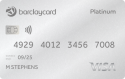
Account Name: Platinum 35 Month Balance Transfer Visa
0% introductory balance transfer offer: up to 35 months
0% introductory purchase offer: up to 3 months
Balance transfer fee: 3.45%
Representative example: Based on a credit limit of £1,200.00 charged at 24.9% variable per annum for purchases. Representative 24.9% APR variable.

Account Name: Platinum Balance Transfer Card Mastercard
0% introductory balance transfer offer: up to 35 months
0% introductory purchase offer: up to 3 months
Balance transfer fee: 3.49%
Representative example: Based on a credit limit of £1,200.00 charged at 24.95% variable per annum for purchases. Representative 24.9% APR variable.
See our chart for the full list of balance transfer offers available.
Alternatively, visit our credit card chart to find and compare other credit card deals.
A balance transfer credit card can provide you with some breathing room to pay off your debt, but you still need to be proactive about making payments to ensure you clear your balance before the end of the interest-free period.
While you could simply make the minimum payments, these won’t help you to pay off your debt in full. It means you would need to find a way to clear your remaining debt at the end of the 0% period or face expensive interest charges.
The simplest way to manage a 0% balance transfer card effectively is to pay a fixed sum each month so, by the end of the 0% period, you will have cleared your debt.
For example, if you have £2,400 on your balance transfer credit card with an interest-free period of 24 months, you can make a fixed payment of £100 each month to pay off the card in full before the 0% offer expires.
This could save you around £815 in interest compared to keeping the debt on a credit card charging interest of 24.9% APR and making the same monthly payment of £100.
Use our balance transfer calculator to see how much interest you could save.
If you’re thinking about applying for a balance transfer card, Springall says customers should compare the different offers available, taking care to examine any upfront fees. She points out that these fees are added to the debt that’s moved across to a balance transfer card, which customers should bear in mind when setting up their repayments.
Furthermore, it’s important to only apply for a card if you’re confident of being approved, as multiple applications for credit could negatively affect your credit score.
This is why it’s useful to check your eligibility first, so you can see what deals you may qualify for with no impact on your credit report.
Our preferred broker, Monevo, allows you to see the credit cards you may be eligible for, comparing deals from a range of different providers. This should only take a few minutes and won’t affect your credit score.

All of our newsletters are available free by email to all Moneyfactscompare.co.uk users.
Send me Weekend Moneyfactscompare, Savers Friend, and Companies Friend.
Information is correct as of the date of publication (shown at the top of this article). Any products featured may be withdrawn by their provider or changed at any time. Links to third parties on this page are paid for by the third party. You can find out more about the individual products by visiting their site. Moneyfactscompare.co.uk will receive a small payment if you use their services after you click through to their site. All information is subject to change without notice. Please check all terms before making any decisions. This information is intended solely to provide guidance and is not financial advice. Moneyfacts will not be liable for any loss arising from your use or reliance on this information. If you are in any doubt, Moneyfacts recommends you obtain independent financial advice.

Moneyfactscompare.co.uk will never contact you by phone to sell you any financial product. Any calls like this are not from Moneyfacts. Emails sent by Moneyfactscompare.co.uk will always be from news@moneyfacts-news.co.uk. Be ScamSmart.
Moneyfactscompare.co.uk will never contact you by phone to sell you any financial product. Any calls like this are not from Moneyfacts. Emails sent by Moneyfactscompare.co.uk will always be from news@moneyfacts-news.co.uk. Be ScamSmart.
Moneyfactscompare.co.uk will never contact you by phone to sell you any financial product. Any calls like this are not from Moneyfacts. Emails sent by Moneyfactscompare.co.uk will always be from news@moneyfacts-news.co.uk. Be ScamSmart.
Moneyfactscompare.co.uk will never contact you by phone to sell you any financial product. Any calls like this are not from Moneyfacts. Emails sent by Moneyfactscompare.co.uk will always be from news@moneyfacts-news.co.uk. Be ScamSmart.
Moneyfactscompare.co.uk will never contact you by phone to sell you any financial product. Any calls like this are not from Moneyfacts. Emails sent by Moneyfactscompare.co.uk will always be from news@moneyfacts-news.co.uk. Be ScamSmart.
Moneyfactscompare.co.uk will never contact you by phone to sell you any financial product. Any calls like this are not from Moneyfacts. Emails sent by Moneyfactscompare.co.uk will always be from news@moneyfacts-news.co.uk. Be ScamSmart.
