Eligible deposits with UK institutions are protected by the Financial Services Compensation Scheme up to a maximum level of protection of £120,000 per person per institution. Moneyfacts.co.uk Limited is an independent credit broker not a lender. We will receive a payment from credit providers where customers link to them from Moneyfactscompare.co.uk. None of these arrangements affects our independence.
DisclaimerAll overdrafts are subject to the applicant’s status. You may not be offered credit. All rates and fees are subject to change without notice. Please check all rates and terms before borrowing.
Current accounts are designed for everyday transactions like paying your bills or general spending, and are typically where your salary will be paid into. Also known simply as bank accounts, they tend to come with a cash or debit card, allowing you to withdraw money or make purchases, and offer additional facilities like standing orders, Direct Debits and bank transfers, for complete money management.
There are many different types of current accounts available on the market to suit a variety of needs, including those offering an agreed overdraft, high rates of interest, or accounts catering to consumers with a poor credit history.
If you know which account you’re after, you can click straight through to the dedicated bank account comparison chart above, or read on to discover which one is right for you.


Standard current accounts, which offer you all the 'standard' account features, but nothing extra. These accounts may or may not charge a monthly or annual fee.

A packaged bank account is a current account that includes additional products and services – such as breakdown cover, mobile phone insurance, travel insurance, home emergency cover – and often exclusive access to other products from the bank, for example exclusive interest rates on their savings accounts or retailer offers and discounts. These accounts usually charge a monthly fee.

Basic or guaranteed accounts can be helpful for those with a bad credit history or for those that do not want to have an overdraft and risk getting into debt. These types of bank accounts often do not require a credit check.
These accounts are typically free of charge but may charge for bespoke services such as oversea transaction or CHAPs payments, for example. You’re unlikely to find perks such as cashback either.

Current accounts with overdrafts include a facility to borrow money in the short term from your bank. If you use your overdraft then you will normally be charged interest on the amount used. You should agree an overdraft arrangement with your bank before going overdrawn. It’s important to carefully consider what you’re looking for with this type of account, as the best bank account for overdrafts may be the one offering higher limits on what you can borrow, or the one offering the lowest interest rates, depending on your situation.

Some current accounts won't charge you a monthly fee, although they are likely to still charge interest for overdrafts. A free bank account may also offer interest on credit balances and may also have funding requirements.

High interest current accounts offer you a competitive interest rate on funds up to a certain balance and/or monthly cashback for keeping your account in credit. These accounts may come with monthly fees, and will likely require a certain income and a number of standing orders or Direct Debits, but could offer you some extra interest if you use them well. You may even find you’re able to use a high interest current account as a secondary savings vehicle.

Designed to meet the financial needs of students, student bank accounts tend to offer the same features as standard bank accounts alongside interest-free overdrafts (with limits that can often increase with each year of study), as well as student incentives such as discounted rail travel.
As an alternative to packaged bank accounts, you may want to organise insurance and breakdown cover individually. Learn more and apply direct today.


Most people will benefit from having some form of bank account for their everyday banking needs, such as sending and receiving money, receiving their salary/pension/benefits, withdrawing cash and paying bills. The world of banking has evolved too, with different types of current accounts designed to suit the needs of different types of people.
For example, those with a poor credit history can now open an account with a range of banking services, such as accepting Direct Debits, students can have a specific account designed with their needs in mind, and those looking for the best perks and incentives could consider a current account switching offer. Many accounts even come with additional tools and functionality, particularly those from digital banks, which can be ideal for those wanting an even greater level of control over their finances.
Have some switching incentives caught your eye, or are you looking for an account that offers interest? Whether you’re going after the latest switching deal or just fancy a change, moving current accounts is a relatively straightforward process thanks to the Current Account Switch Service (CASS). Using the CASS, all you have to do is apply for an account, and your new provider will take care of moving across any Direct Debits and standing orders under the Current Account Switch Guarantee.
If you’ve had a look over the different current accounts available, the next step is determining which one to open. However, it's important to bear in mind that there isn't a single best current account UK providers offer; instead, the best option for you will depend on your personal circumstances. Here’s a quick look at what to compare when choosing a current account:
Some types of bank account charge fees, for example a packaged bank account has a monthly fee to offset the cost of additional products and services bundled with the account. You should consider if you will use the add-ons included in a packaged account and if so if it is good value to pay the monthly fee.
Similarly, some high interest or reward current accounts can also charge monthly fees, so make sure that the amount you’ll earn from any cashback or interest will outweigh this cost.
You may be required to pay in a minimum amount of money per month. Usually, this restriction is applied to reward or high interest current accounts, which offer a decent in-credit interest rate or additional perks in exchange for your commitment and regular income. Aside from a minimum monthly funding amount, these accounts may also require you to hold several Direct Debits on them, to make sure your account with them is your main banking product.
If you’re likely to maintain a healthy account balance, then a high interest current account could be worth considering. These current accounts usually offer a higher rate of interest than standard current accounts, albeit usually only up to a set balance, which means any money exceeding this limit might be better placed in a savings account instead. Also keep in mind that the rate will likely only apply for a set period, and these accounts tend to come with high overdraft rates, so you should only consider one if you’re confident you won’t find yourself regularly using an overdraft.
If you’re likely to dip into the red on your current account, you should consider one that charges a low rate for arranged overdrafts or offers you an interest-free tier before you get charged. This can prove to be very valuable if your account balance regularly goes near or below zero, offering an additional financial buffer when you really need it.
Are you happy to manage your account purely online or by mobile app, or would you prefer to be able to bank in person? This can greatly influence your account choice – current accounts from challenger banks are usually only accessible by an app or the internet, for example, while high street bank or building society accounts are more likely to offer branch access. Some bank accounts will also offer access through retail locations such as the Post Office, which could be handy if you need to pay in cash but don’t live near a branch.
Most high street current accounts can be operated across a range of channels including phone, branch, online and mobile app, but it’s worth checking the options beforehand. You can do this by clicking on “Product Specification” in the above chart.
If you need to withdraw cash from cash machines you should also check the cost to do this. While this is often free in the UK – apart from machines specifically listed as pay-to-use – there are usually charges for cash withdrawals abroad, so if you travel frequently, it may be worth looking for a bank account that offers lower foreign usage fees. You can also find cash machines near you using the LINK ATM locator.
These days many of us check reviews before we make any kind of purchase, and choosing a current account should be no exception. You can look for reviews online, check out the Personal banking service quality survey results, or see who the winners were in our latest Moneyfactscompare.co.uk Awards.

If you want a bank account that gives you something back, a switching incentive might lure you in, with some accounts offering healthy cash bonuses if you switch. However, a little bit extra every month might work out more lucrative over the long run, so you may want to consider a cashback or reward current account instead. Whatever you’re after, make sure to compare bank accounts on all their features, not just their benefits, otherwise you might find that a cashback offer is undone by a high account fee or overdraft rate.
If you regularly travel, you may want to consider a current account with a debit card that offers reduced fees for use abroad. Make sure to consider transaction fees, exchange rates/conversions and additional costs should you need to withdraw cash.
Yes. Provided your current account is authorised and regulated by the Financial Conduct Authority, your money is protected by the Financial Services Compensation Scheme (FSCS) up to a maximum of £120,000 per person per banking institution. Find out more in our guide to the FSCS.
Yes – the vast majority of providers allow you to open a current account with someone else. This is typically an option for couples and families wanting to merge finances, but could also be useful for roommates to share household expenses, for example.
Yes, in fact you can technically have as many current accounts as you wish, but just be mindful of any criteria associated with the accounts (particularly minimum funding requirements and Direct Debits) and be sure you can meet the requirements of each of them.
Opening a current account typically won’t affect your credit score, unless the account you’re applying for has an overdraft facility. As this constitutes a form of lending, the provider will likely perform a hard credit check which can temporarily lower your credit score, which could be further impacted when opening multiple accounts requiring a credit check in quick succession. Bear in mind that if you’re subsequently rejected for an overdraft, this could have a longer-lasting mark on your credit profile.
Yes, high-interest current accounts can offer reasonable rates on your in-credit balance, though remember, even the best current account interest rates will struggle to match top savings returns and often only apply for a limited period, and there will likely be an upper limit to the amount you can earn interest on too. You can compare the best high-interest current accounts.
Yes, there are free current accounts available that come without monthly or annual fees. Be aware, a ‘free bank account’ will still charge fees for overdrafts and for some other types of transactions.
This will depend on the rules of your chosen provider. Some won’t allow you to go into your unarranged overdraft at all – in which case a payment may be refused – while others may charge you an unarranged overdraft rate, which cannot be higher than the rate for arranged overdrafts. In our chart above, the column 'Overdraft Rate' will show you the rate that you are charged if you go into an arranged overdraft ,and you can find further details of both the arranged and unarranged overdraft charges by clicking on 'Product Specification’. Your overdraft limit will be determined by your credit history and other factors – your provider may change it depending on whether and how you use it. Read our guide to current account overdrafts to learn more.
While providers use the funds in bank accounts to lend to others in the form of loans and overdrafts, gaining interest (and therefore money) in return, if a good rate of interest is offered on the account, they naturally make less money from it. That’s why these accounts tend to come with fees and/or high charges, such as for overdrafts or bounced cheques.
They also take a cut of each debit card payment made (called the interchange fee) and make money from fees and charges for things like overdrafts, refusing a payment due to a lack of funds in the account or using a debit card abroad, where they may charge a fee and make a profit on any currency exchange rate they offer.
Banking providers are constantly battling to gain your custom, which can often lead to competitive deals with varying benefits on offer. That’s why it’s always a good idea to compare bank accounts to find the best one for you – and to review any accounts you already have to ensure you’re not missing out on more lucrative perks. As these providers regularly change their offers, usually without adjusting the deal their current customers are already getting, it pays to keep an eye on the market.
There are a growing number of online-only banks; some of these are challenger banks such as Starling and Monzo, while others are brands that are part of a larger banking group. There are also fintechs that offer banking type services but are in fact a payment services provider rather than a bank. These online banks and services do not have any branches.
Yes, these days the vast majority of banks and building societies offer the convenience of online applications, including providers operating via mobile app for those looking to manage their banking on the go. For many, these digital-only banks may seem less secure than their more conventional counterparts, but generally speaking, online banking is just as safe as going into a branch or using a phone. You can find out more about this by reading our what is the safest way to bank online guide.
You’ll find that there is no ‘best bank’ when it comes to current accounts, as while one provider may work for someone else, it may not necessarily align with your own preferences. For this reason, it’s generally best to compare a variety of options before settling on the account you want to open based on what you’re looking for – this could include whether you’re after an account with an overdraft, one offering high rates of in-credit interest, or if you’re struggling with a poor credit history, you could consider a basic bank account.


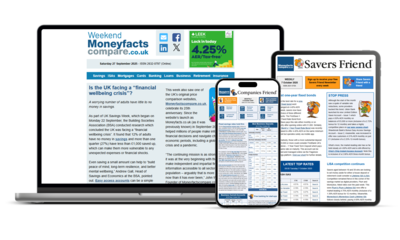
All of our newsletters are available free by email to all Moneyfactscompare.co.uk users.
Send me Weekend Moneyfactscompare, Savers Friend, and Companies Friend.

Moneyfactscompare.co.uk will never contact you by phone to sell you any financial product. Any calls like this are not from Moneyfacts. Emails sent by Moneyfactscompare.co.uk will always be from news@moneyfacts-news.co.uk. Be ScamSmart.
Moneyfactscompare.co.uk will never contact you by phone to sell you any financial product. Any calls like this are not from Moneyfacts. Emails sent by Moneyfactscompare.co.uk will always be from news@moneyfacts-news.co.uk. Be ScamSmart.
Moneyfactscompare.co.uk will never contact you by phone to sell you any financial product. Any calls like this are not from Moneyfacts. Emails sent by Moneyfactscompare.co.uk will always be from news@moneyfacts-news.co.uk. Be ScamSmart.
Moneyfactscompare.co.uk will never contact you by phone to sell you any financial product. Any calls like this are not from Moneyfacts. Emails sent by Moneyfactscompare.co.uk will always be from news@moneyfacts-news.co.uk. Be ScamSmart.
Moneyfactscompare.co.uk will never contact you by phone to sell you any financial product. Any calls like this are not from Moneyfacts. Emails sent by Moneyfactscompare.co.uk will always be from news@moneyfacts-news.co.uk. Be ScamSmart.
Moneyfactscompare.co.uk will never contact you by phone to sell you any financial product. Any calls like this are not from Moneyfacts. Emails sent by Moneyfactscompare.co.uk will always be from news@moneyfacts-news.co.uk. Be ScamSmart.